
Solution focused therapy to help anxiety, depression, IBS, phobias, pain and more.


Solution focused therapy to help anxiety, depression, IBS, phobias, pain and more.
Have a calm, friendly and confidential chat with Anne Marie and ask any questions before deciding whether hypnotherapy is right for you.
OCD Hypnotherapy in Lancaster

“Did I lock the door properly?”
“Are my hands really clean?”
“What if I left the cooker on?”
Obsessive Compulsive Disorder (OCD) can involve unwanted intrusive thoughts, doubts or fears that create significant anxiety, alongside compulsions or repetitive behaviours used to try to reduce that anxiety.
You may logically recognise that a fear is unlikely, yet still feel an overwhelming need to check, repeat, avoid or seek reassurance before you can feel settled.
Understanding the OCD cycle
OCD is sometimes described as a disorder of doubt because uncertainty can play such a powerful role in keeping the cycle going.
An intrusive thought or doubt may trigger anxiety. You might then respond by checking something, repeating an action, seeking reassurance or performing another compulsion.
That behaviour may provide temporary relief, but the doubt can return. When it does, you may feel the need to perform the compulsion again, reinforcing the cycle.
Compulsions are not always obvious to other people. They can also involve mental rituals, repeatedly reviewing something in your mind or seeking certainty about a thought or situation.
When intrusive thoughts take over
Intrusive thoughts can be frightening precisely because they may involve things that are completely at odds with your values or what you actually want.
Having an unwanted intrusive thought does not mean that you want it to happen or that it reflects who you are.
OCD can become exhausting when large amounts of time and energy are spent trying to achieve certainty, prevent something bad from happening or make a thought feel “right”. It can begin to affect work, relationships, confidence and everyday freedom.
Getting the right support for OCD
OCD is a recognised mental health condition, and it is important to get appropriate support if symptoms are causing significant distress or interfering with everyday life.
Cognitive Behavioural Therapy (CBT) incorporating Exposure and Response Prevention (ERP) is an established treatment for OCD. Your GP or an appropriate mental health professional can help you explore suitable treatment options.
Hypnotherapy should not replace appropriate OCD treatment, but may be used as complementary support where suitable.
How hypnotherapy may support you
I use Solution Focused Hypnotherapy to support people experiencing anxiety, stress and persistent patterns of unhelpful thinking.
Our work can focus on helping you feel calmer, reducing overall stress and developing a different relationship with thoughts that currently feel overwhelming.
Hypnosis provides a period of guided relaxation and focused attention, forming part of the wider Solution Focused approach we use during our sessions together.
The aim is not to eliminate every unwanted thought or provide reassurance that your fears will never happen. Instead, the focus is on helping you respond to thoughts with greater perspective while supporting the appropriate treatment you may already be receiving.
OCD, anxiety and overthinking
OCD can involve anxiety, intrusive thoughts and repetitive thinking, but ordinary worry or overthinking does not necessarily mean that someone has OCD.
If persistent worry is the main difficulty you are experiencing, you may also find my pages on anxiety and stress and overthinking helpful.
If you think you may have OCD but have not been assessed, consider speaking with your GP or another appropriate mental health professional about your symptoms.
Book Your Appointment
Ready to take the next step? You can call Anne Marie on 07789 353 424, text Anne Marie, send a message on WhatsApp or email to arrange a suitable time using the buttons below.
Meet Anne Marie
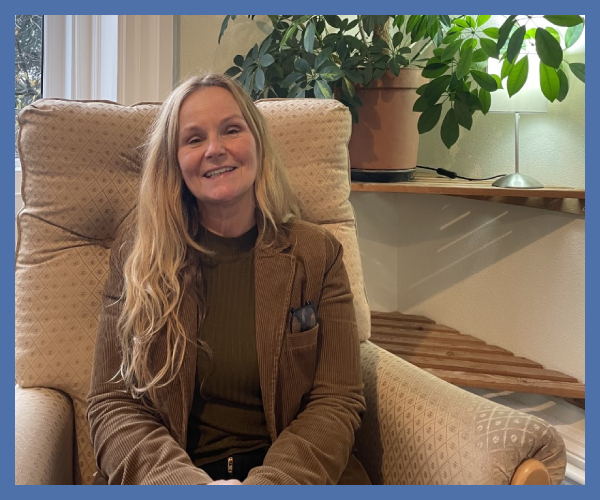
A warm, experienced and approachable hypnotherapist based in
Lancaster, helping people make positive changes
and move forward with confidence.
Online Sessions Available
Relax in familiar surroundings and enjoy your session from the comfort of your own home.
Online hypnotherapy sessions are available using a range of video-calling platforms.
Hypnotherapy in Lancaster & Surrounding Areas
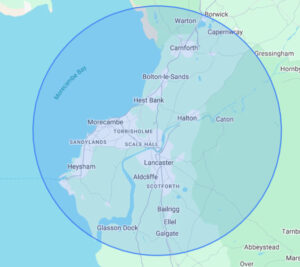
Based in Lancaster, Anne Marie offers in-person hypnotherapy sessions across Lancaster.
Begin your hypnotherapy journey today
Contact us for more information and to see how we can help you.
 UA Media