


Phobias & Fears Hypnotherapy in Lancaster
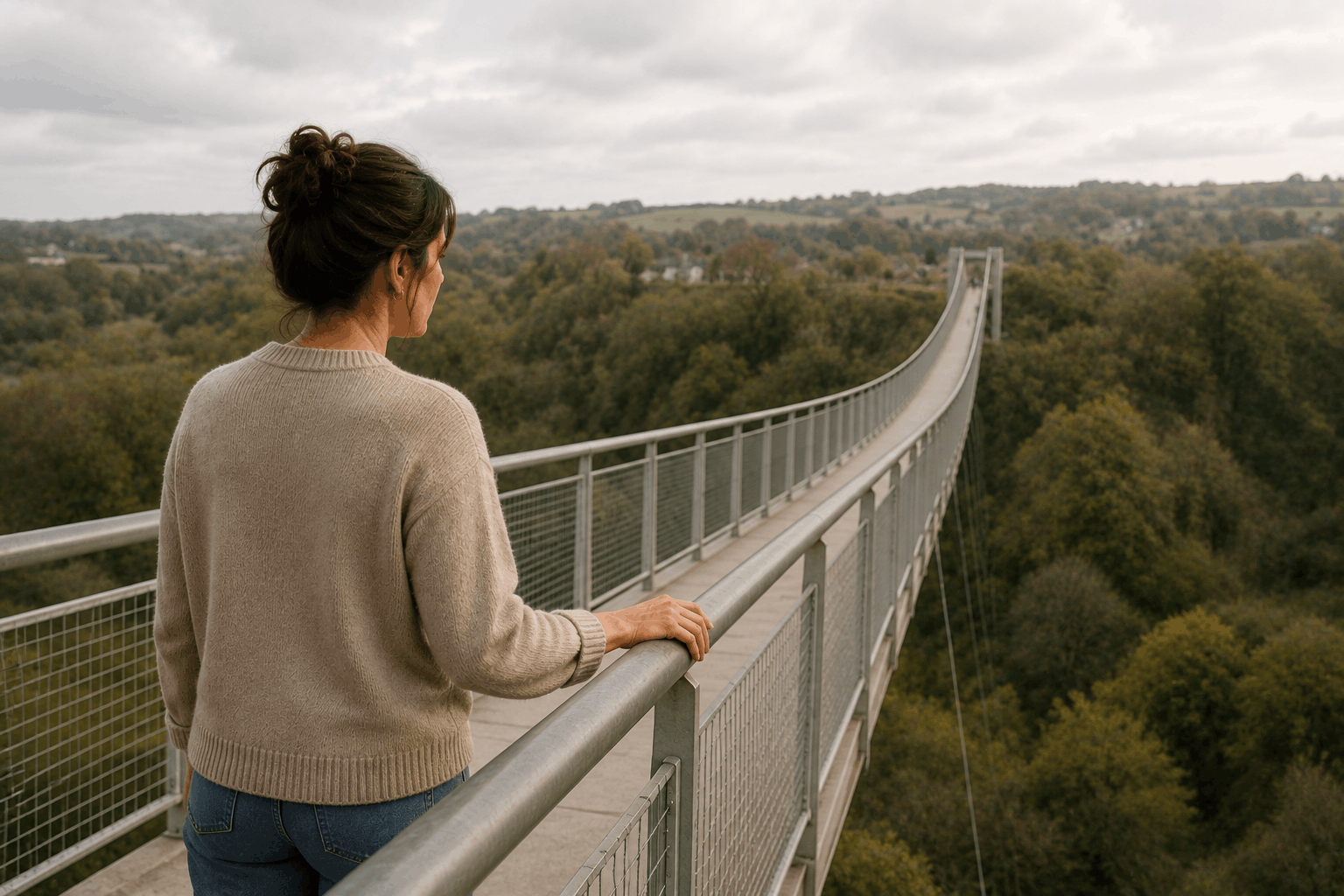
“Why can’t I bring myself to do this?”
“Why does it feel so frightening?”
“Why can’t logic calm me down?”
Phobias and fears are far more common than many people realise. You may know logically that something is safe, yet still experience a powerful fear response that feels completely real.
Over time, fear can lead to avoidance, missed opportunities or gradually changing your life in order to stay away from situations that feel overwhelming.
When fear starts to limit your life
Specific phobias can involve many different situations or experiences, including flying, dentists, needles, spiders, dating, enclosed spaces or other situations that trigger intense anxiety.
You may feel embarrassed or frustrated by the fear, particularly when other people seem able to cope with the same situation without difficulty. But knowing logically that something is safe does not always stop the emotional and physical fear response.
The aim of support is not to tell you that you “shouldn’t” be frightened. Instead, we work with the response itself and focus on helping it feel less intense and more manageable.
How hypnotherapy may help with phobias
I use a combination of Solution Focused Hypnotherapy and NLP techniques to support people who would like to change the way they respond to a particular fear.
For specific phobias, support typically follows a structured four-session approach. The process is designed to help you understand the fear response, become comfortable with hypnosis and work towards a calmer and more appropriate response to the situation that currently triggers fear.
The four-session approach
Initial Consultation — 50 minutes
During the first session, I’ll explain how the brain can respond to phobias and fears and how hypnotherapy may be used as part of the process.
We’ll also talk about your individual experience, what triggers the fear and what you would like to be able to do differently.
Pre-Rewind Session — 50 minutes
This session introduces hypnosis in a calm and relaxed way, helping you become familiar with the process before the more focused work begins.
We’ll also clarify your goal and continue preparing for the next stage.
Rewind Session — 50 minutes
During this session, a structured technique is used to revisit the fear-related experience or response in a controlled and supported way.
The aim is to reduce the emotional intensity connected with the fear rather than repeatedly reliving the experience in detail.
Reframe Session — 50 minutes
In the final structured session, we focus on developing a different response to situations that previously triggered fear.
Using practical techniques and guided work, the aim is to help you approach those situations with greater calm, confidence and perspective.
Non-specific phobias
Some fears develop more gradually and are not linked to one particular event or situation. These may require a longer course of support.
Examples can include agoraphobia and emetophobia.
Support for these types of phobia may typically involve around 8–10 sessions, depending on your individual circumstances. Because anxiety and stress can intensify fear responses, part of the work may also focus on reducing overall stress levels and helping you feel more settled day to day.
If anxiety is a significant part of what you are experiencing, you may also find my page on anxiety and stress helpful.
Moving forward at your own pace
The aim is not to force you into a frightening situation before you feel ready. We work in a structured and supportive way, focusing on the response you would like to develop and the changes that feel appropriate for you.
Whether your fear is very specific or has gradually become part of everyday life, we can begin by looking at what you would like to be different and the most appropriate way to work towards that.
 UA Media